

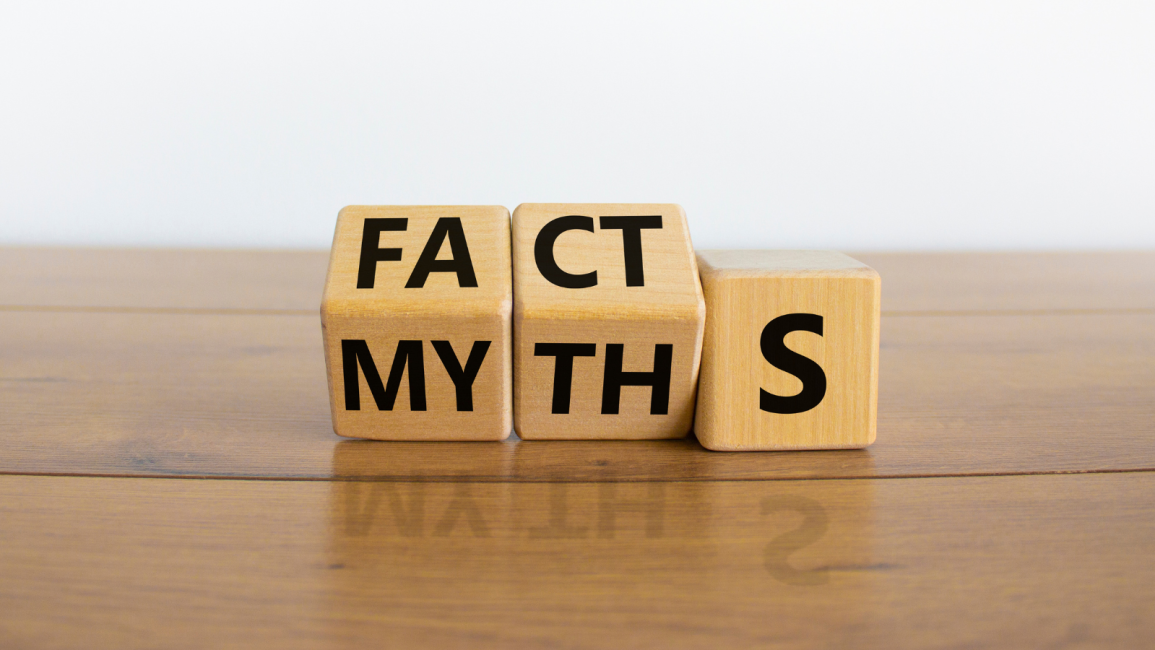
Cannabis, despite its millennia-old history, is still shrouded in mystery and misconceptions for many. As its global acceptance grows, it’s paramount to demystify the legends and half-truths surrounding it. Let’s play mythbusters and unravel the fact from the fiction.
1. Myth: Cannabis Use Leads to Harder Drugs
The “Gateway Drug” Theory: This popular narrative claims that cannabis use paves the way for consuming harder, more dangerous drugs.
Fact: No scientific evidence conclusively proves that cannabis directly causes users to move on to substances like cocaine or heroin. While some users might experiment with multiple substances, correlation does not imply causation.
2. Myth: All Cannabis Makes You High
The “Euphoric Overgeneralization” Theory: Many believe consuming any part of the cannabis plant will result in intoxication.
Fact: Cannabis contains numerous compounds, with THC being the primary psychoactive component. CBD, another major compound, does not induce a high. Hemp, a cannabis variant, is low in THC and primarily used for industrial purposes.
3. Myth: Consuming More Cannabis Amplifies Its Effects
The “More is Better” Theory: A belief that consuming larger quantities will heighten the therapeutic or recreational experience.
Fact: Cannabis has a biphasic effect, meaning moderate doses might be beneficial or pleasurable, but excessive consumption can lead to adverse reactions or diminished therapeutic effects.
4. Myth: Holding in Cannabis Smoke Increases Its Effects
The “Lung Capacity” Theory: The longer you hold in the smoke, the more THC you absorb, intensifying the high.
Fact: Most THC is absorbed within seconds of inhalation. Holding in smoke merely exposes the lungs to more tar and toxins.
5. Myth: Cannabis Kills Brain Cells
The “Brain Damage” Theory: A longstanding myth that cannabis leads to a decline in cognitive function by killing brain cells.
Fact: Contemporary research has found no evidence that cannabis consumption results in the death of brain cells. Some studies even suggest potential neuroprotective properties in certain cannabinoids.
6. Myth: Modern Cannabis is Stronger than Ever Before, Hence More Dangerous
The “Potent Pot” Theory: Belief that because modern strains are more potent, they pose greater health risks.
Fact: While it’s true that many modern strains are bred for higher THC content, potency doesn’t directly translate to danger. Consuming less of a potent strain can yield similar effects to consuming more of a less potent one.
7. Myth: Legalizing Cannabis Will Lead to Increased Use Among Teens
The “Legalization Temptation” Theory: By legalizing, more teens will be tempted to start consuming cannabis.
Fact: Studies from regions that have legalized cannabis, either medicinally or recreationally, show no significant increase in adolescent use post-legalization.
In Conclusion
Cannabis, like any other topic in society, is not immune to myths and misconceptions. As consumers, advocates, or even skeptics, it’s vital to seek evidence-based knowledge. The age-old adage stands true: Knowledge is power, especially when separating cannabis facts from fiction.
