
In discussions about the green plant with serrated leaves, two terms often pop up: hemp and cannabis. While some use the words interchangeably, they refer to distinct variations of the Cannabis sativa plant, each with its unique characteristics and applications. To navigate the world of Cannabis sativa knowledgeably, it’s essential to differentiate between hemp and cannabis. Let’s dive in!
THC Content: The Defining Difference
Hemp: By legal definitions, especially in regions like the U.S., hemp is a variation of Cannabis sativa that contains 0.3% or less THC (tetrahydrocannabinol), the psychoactive compound.
Cannabis: Often referred to as marijuana, weed, or pot, this variant can contain much higher levels of THC, which can induce the “high” or euphoric feeling when consumed.
Usage and Applications
Hemp:
- Industrial Uses: Hemp fibers are strong and durable, making them perfect for creating ropes, textiles, paper, and even building materials.
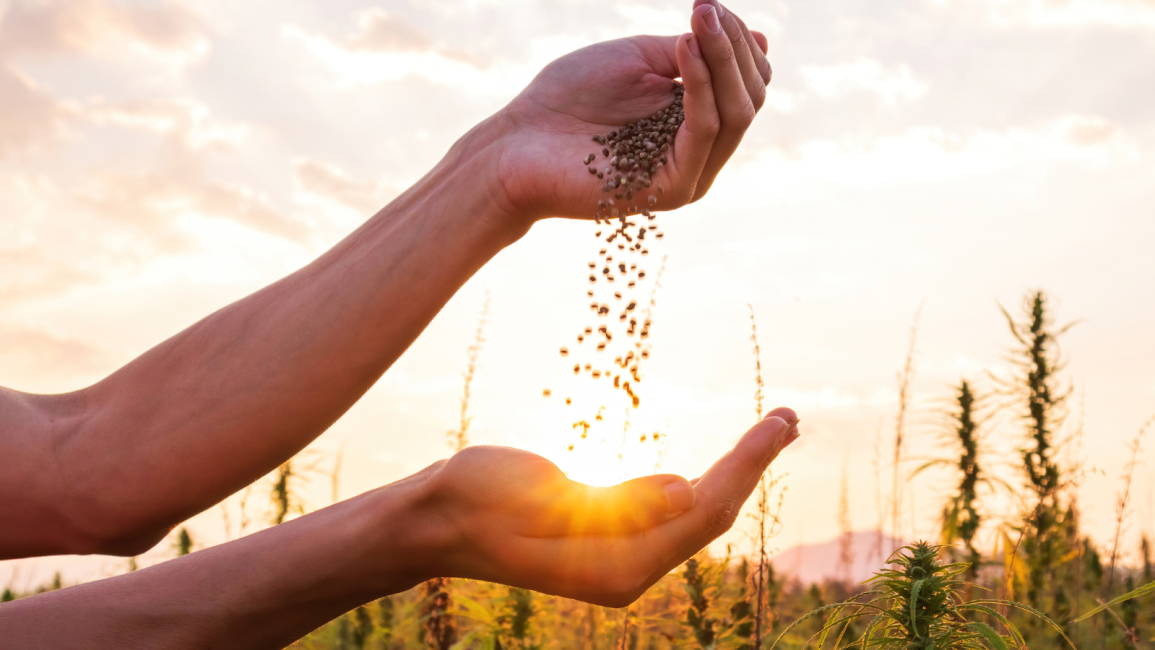
- Nutritional Uses: Hemp seeds are packed with protein, omega fatty acids, and various vitamins, making them a nutritional powerhouse.
- CBD Extraction: With its low THC content, hemp is an ideal source for extracting CBD (cannabidiol) used in wellness products.
Cannabis:
- Recreational Use: Due to its higher THC content, many consume cannabis for its psychoactive effects.
- Medicinal Use: Beyond THC, cannabis contains other cannabinoids with potential therapeutic properties, making it a choice for medical marijuana patients.
Legal Status

Hemp: Largely due to its non-intoxicating nature, hemp has a broader legal acceptance worldwide. The 2018 Farm Bill in the U.S. federally legalized hemp cultivation, separating it from the more regulated cannabis.
Cannabis: Its legal status varies worldwide. While some countries or states have fully legalized recreational use, others permit it for medicinal purposes, and in many places, it remains illegal.
Cultivation and Appearance
Hemp: Typically grown outdoors to maximize its size and yield, hemp plants are often tall and skinny, with fewer branches and flowers.
Cannabis: Cultivated to optimize the flower’s yield, cannabis plants tend to be bushier with a more abundant flowering portion, which contains the highest concentration of cannabinoids.
Cannabinoid Profiles

Hemp: While it’s rich in CBD, it has a minimal THC presence. It can also contain other beneficial cannabinoids and terpenes, though usually in smaller amounts than cannabis.
Cannabis: Offers a more diverse cannabinoid profile. Depending on the strain, it can be rich in THC, CBD, or both, and contains a plethora of other cannabinoids in varying ratios.
In Conclusion
Hemp and cannabis, though stemming from the same plant family, have evolved with different purposes and characteristics. Hemp, with its myriad of industrial and nutritional applications, contrasts with the more recreationally and medicinally inclined cannabis. By understanding these distinctions, consumers, manufacturers, and policymakers can make more informed decisions about the myriad applications of the Cannabis sativa plant.
