

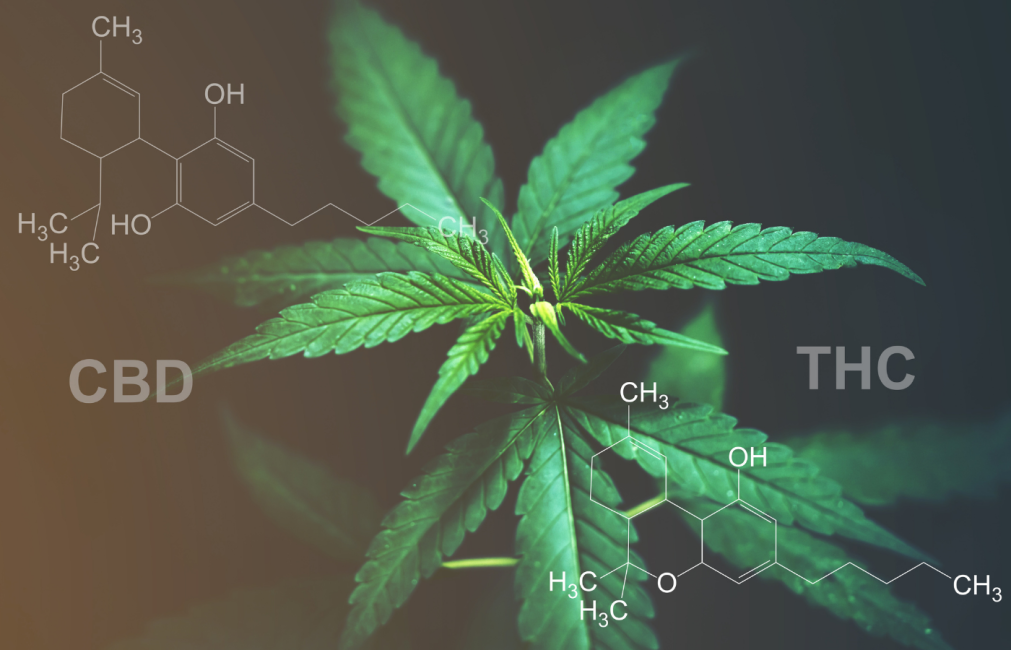
The world of cannabis is fascinating, multifaceted, and, to some, a tad intimidating. At the core of this green wonder are three primary components that are sparking interest and research worldwide: terpenes, THC, and CBD. Let’s delve into each of these compounds to shed some light on the magic they bring to the cannabis plant.
Terpenes: The Flavor and Aroma Masters

Terpenes are organic compounds found in many plants, including cannabis. They give each strain its unique aroma and flavor. But more than just adding a sensory experience, terpenes play a crucial role in defining the effects of different cannabis strains.
Common Terpenes in Cannabis:
- Myrcene: The most prevalent terpene in cannabis. It offers a musky and earthy aroma with hints of cloves. Some believe it possesses sedative properties.
- Limonene: As the name suggests, limonene gives off a citrus scent. It’s believed to elevate mood and provide stress relief.
- Pinene: Think of a pine forest, and you’re imagining the scent of pinene. It may help with alertness and counteract some THC effects.
- Linalool: Commonly found in lavender, linalool offers a floral aroma. It may have calming and relaxing effects.
Remember, each strain has its unique terpene profile, affecting its aroma, flavor, and effects.
THC (Tetrahydrocannabinol): The Psychoactive Powerhouse
THC is the primary psychoactive component in cannabis. When consumed, it interacts with the endocannabinoid system, particularly the CB1 receptor, leading to the euphoric and intoxicating effects commonly associated with marijuana.
Variations of THC:
- Delta-9-THC: The most common form, responsible for the psychoactive effects of smoked or vaporized cannabis.
- Delta-8-THC: A less prevalent analog of THC. It’s known to produce a milder, clearer high compared to Delta-9-THC.
- THCA (Tetrahydrocannabinolic Acid): The raw form of THC present in the cannabis plant. It’s non-psychoactive until it undergoes decarboxylation, usually through heating.
Effects of THC:
- Euphoria: The uplifting feeling of happiness and joy.
- Sensory Augmentation: Enhanced colors, sounds, and tastes.
- Altered Perception of Time: Minutes can feel like hours.
- Increased Appetite: The famous “munchies.”
However, excessive THC consumption can lead to paranoia, anxiety, and memory disturbances.
CBD (Cannabidiol): The Healing Giant
Unlike THC, CBD is non-psychoactive, meaning it won’t get you “high.” It’s lauded for its potential therapeutic benefits.
Effects of CBD:
- Relief from Anxiety: Many users report reduced anxiety levels with CBD consumption.
- Pain Management: CBD might act as a natural pain relief, especially for chronic pain.
- Anti-Inflammatory: Potential in reducing inflammation in the body.
- Neuroprotective Properties: Early research suggests CBD might help with neurodegenerative diseases.
CBD can counteract some THC effects, making it a popular choice for those who want the therapeutic benefits of cannabis without the high.
In Conclusion

Cannabis is more than just a recreational plant. Its components – terpenes, THC, and CBD – play distinct roles in offering flavor, psychoactive effects, and potential therapeutic benefits. As research continues, our understanding of these compounds and their interplay will only deepen, allowing for more targeted and beneficial uses of this ancient plant.
